
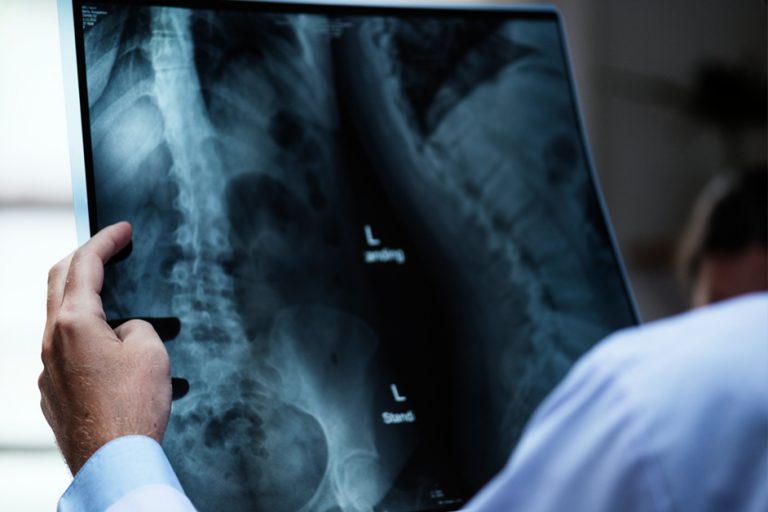
4 diabetes medicines to protect bones
Researchers found that 4 drugs prescribed to treat type 2 diabetes also protect bones from disease and fractures
Copy Experience October 13, 2018 No Comments Medical research has advanced to the point of discovering that some medicines for diabetics also serve to protect bones. We know that diabetes influences the manifestation of numerous diseases that affect people’s quality of life. Surely, you have noticed that studies frequently emerge that confirm these relationships and warn about the importance of preventing them through healthy habits. Various studies have proven that diabetes has a direct impact on bone health. Especially in the development of osteoporosis and osteoarthritis. Despite this coincidence, research had been based on analyzing the treatment of type 2 diabetes and osteoporosis as separate diseases. However, fractures in people with type 2 diabetes opened a new area of research for scientists. A recent study published in the Journal of Clinical Endocrinology & Metabolism revealed that some medications recommended to treat diabetes are also appropriate for people with osteoporosis. Metformin, sulfonylureas, DPP-4 inhibitors, and GLP1 receptor agonists can treat both diseases at the same time. Medicines to protect bones These are the 4 medicines for diabetics that also serve to protect people’s bones: • Metformin: Promotes bone formation and its mineral density. Studies have shown that diabetics who take this medication manage to protect their bones and they become stronger. • Sulfonylureas: Protect against fractures, especially hip and vertebral fractures. • DPP-4 inhibitors: They promote metabo lism of the bones. • GLP1 receptor agonists: They benefit bone metabolism and stimulate bone formation. On the other hand, there are also medicines that should be avoided. Thiazolidinediones and canagliflozin have negative effects on bone and cardiovascular health. It is important that you take into account the negative effects of these latest medicines to protect your patients. It is also essential that you recommend a healthy diet and sufficient physical exercise to treat your patients, protect bones and reduce any health problems. If you want advice on this and other topics, click here.