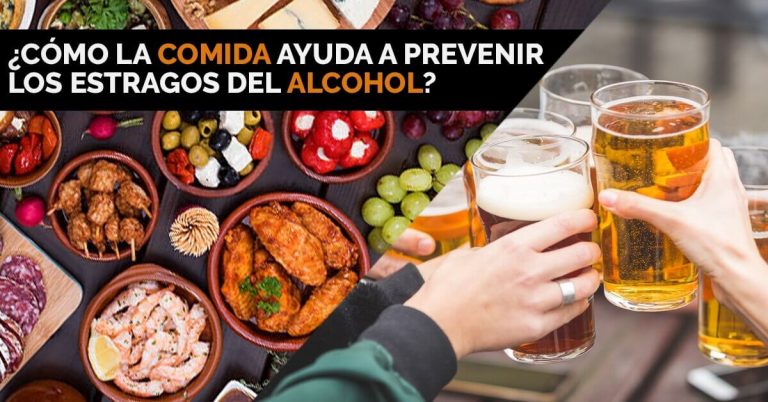
How does food help prevent liver disease?
Alcoholic liver disease is a global health situation. It refers to a series of diseases such as hepatomegaly and simple fatty liver.
Alcoholic liver disease is a global health situation. It refers to a series of diseases such as hepatomegaly and simple fatty liver (hepatic steatosis). Also more severe pathologies such as alcoholic steatohepatitis and liver cirrhosis. It is estimated that approximately 38 million people in the United States alone consume excessive alcohol.
The studio
This study sought to compare mice raised to consume high amounts of alcohol (cHAP). And other mice using a chronic intermittent ethanol ingestion model. The mice were chosen at random and fed different diets for four weeks. The researchers found that cHAP mice on a diet of alcohol and water consumed significantly more alcohol than other mice kept on a diet that also included alcohol. However, the other mice on the alcohol diet along with the artificial sugar maltodextrin presented a higher level of hepatosteatosis and liver lesions. Compared to mice that consumed a diet of alcohol and water along with maltodextrin.
Conclusions
These results suggest that factors other than the total amount of alcohol consumed may affect the degree of development of alcohol-related liver diseases. The researchers speculated that saturated fat in the standard chow diet and/or epigenetic changes during development may have explained the lack of liver injury. This suggests that although cHAP mice consistently consume high/sustained levels of ethanol, other factors such as disparity in specific dietary components, differences in alcohol consumption patterns, and timing of feeding relative to peak blood alcohol alter the degree of liver injury in cHAP versus other mice. The marked differences in the composition of the diets used in this study may help explain why mice consuming higher amounts of alcohol did not develop more severe liver lesions. “Diet and microbiome may be important variables in the different outcomes observed in various experimental models of alcoholic liver disease.” wrote Irina Kirpich and Craig McClain in an editorial accompanying the study. These studies can help our patients in one of the most common practices in our society. The social intake of alcoholic beverages. Taking care of your diet can have a stronger impact than we normally believe. To protect them from one of the most common evils today. You can read the full Research here: https://academic.oup.com/alcalc/article/doi/10.1093/alcalc/agx063/4191311/Use-of-a-crossed-high-alcohol-preferring-cHAP