How to Lose Weight in the Postpartum
The basic recommendations for postpartum weight loss in this topic focus on diet, including moderate daily exercise.
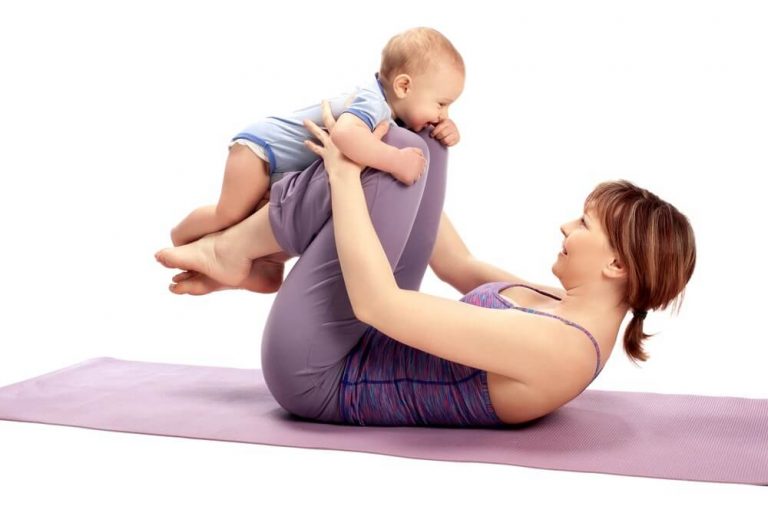
To lose weight in the postpartum you must follow a diet and medical advice during the months of pregnancy, so that you do not have to suffer to regain your figure after childbirth. The basic recommendations on this topic focus on nutrition, including moderate daily exercise and breastfeeding your baby will help you in this process. The period can lengthen from 6 to 12 months after giving birth and in some cases the recovery of weight and height can mean both physical and emotional discomfort. Breastfeeding Remember that, during the breastfeeding period, you need to eat very well to generate nutritious milk. Calorie reduction is recommended at a range of 500 calories per day without reducing them below this amount. Losing weight in your body too soon can cause abnormalities in the quantity and quality of milk. Reschedule your eating plan, include fresh legumes, white meats such as fish, turkey. Make 5 to 6 meals a day, it is vital to recover energy and milk production. Always have breakfast. Don’t skip meals. Drink plenty of water Eat low-fat dairy Eat fruits and vegetables Try to take restful naps throughout the day. Avoid fat and sugars. Take long walks, muscle tone is essential, since you will be carrying your baby and you need strength in the spinal axis and extremities. Do yoga and stretching exercises while holding your baby. Stock up on red vegetables such as bell peppers, radishes, beets and blueberries. These will renew your immune system, sharing it with your baby. Keep in mind that omega fats are necessary to recover from childbirth and breastfeeding. Good fats help you recover reduce your figure, that is why you can include fats in your diet instead of carbohydrates. Recovering the figure you had before pregnancy is a nine-month waiting period, there is no excuse not to exercise, it will help you recover your figure a few months after giving birth. Various studies prove the benefits of exercise in pregnant women, reducing the risks of suffering from preeclampsia and gestational diabetes.