
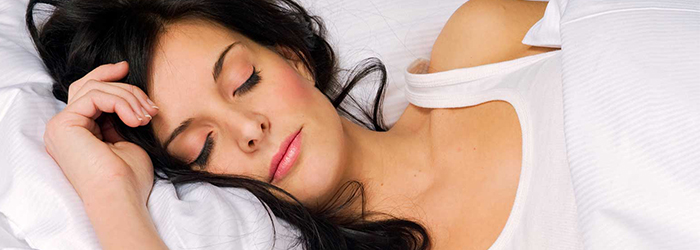
The key to getting the most out of your nap
We will give you tips to get the most out of your nap. Try to avoid drinks that contain caffeine and sugar so that they do not affect...
In many countries such as China, Italy, Spain and South America, the nap is considered sacred. This short period of time can help you regain energy, level cortisol levels and, best of all, help you feel satisfied, thanks to the release of the hormone leptin, especially if you take a nap after lunch or dinner. On the other hand, sleep deprivation increases levels of the hormone ghrelin, which increases appetite. We will give you tips to get the most out of your nap.
Try to avoid drinks that contain caffeine and sugar
This type of drink triggers episodes of anxiety and stress. Who can’t wake up without a cup of coffee? It is true that coffee activates us, puts us in a good mood and also focuses our mind, but we must control its consumption. Caffeine is a molecule that acts in the body as if it were liquid stress, triggering the production of cortisol, called the stress hormone, which prevents us from relaxing and in the long run affects our metabolic patterns and nervous system.
Try to sleep well
Try to comply with your hours of sleep. These keep you fresh throughout the day to carry out all your activities. Remember that in the deep sleep phase, exactly where dream activity begins to be generated. The body begins to release leptin, which is the hormone that causes the feeling of satiety with food, important for tissue restoration and weight loss.
Rest short intervals
A 20- to 30-minute nap helps increase alertness and performance without making you groggy or delaying normal sleep. Several studies show that sleeping 40 minutes to 1 hour of nap can cause drowsiness. Just as taking a long nap can affect our normal sleep cycle. Many consider that it is not necessary to take a nap. But as mentioned above, napping can positively impact your body and its functions, while sleep deprivation cannot.