
5 colors that should always be present on your plate
The range of colors of the foods in which they occur naturally provide us with their nutritional profile.
Many people know how important it is to include fruits and vegetables in each of their snacks. **Vegetables. **This food group is the most important source of amino acids, vitamins, minerals and fiber in addition to a significant contribution of protein content. The key to getting the most out of these green beings is to combine them with each other.
Colors
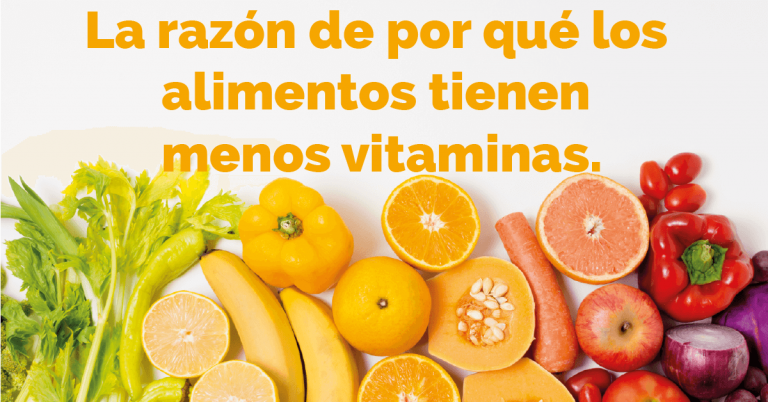
The range of colors of the foods in which they occur naturally provide us with their nutritional profile. For example, the vibrant colors in carrots determine the concentration of beta carotenes in its structure.
Red
Red fruits and vegetables contain anthocyanins and lycopene, which are very effective against cancer in addition to being shields against coronary heart disease. The vibrant red color indicates the content of vitamins A, B9, C and potassium. Recommended to protect the urinary tract against infections. Among them we find tomatoes, apples, beets, radishes, peppers, red cabbage, as well as strawberries, raspberries and radishes.
Violet
Violet, blue, or purple fruits and vegetables indicate the presence of polyphenols and anthocyanins. These bluish pigments are classified as antioxidant flavonoids, which help fight free radicals. Among them we can find: Açai, currants, blueberries, grapes, blackberries and eggplants.
Orange
The pigments that give fruits and vegetables their orange color are carotenoids that help balance the immune system, in addition to the Vitamin A content that is effective in strengthening vision. Among them we find oranges, tangerines, orange pepper, pumpkin, sweet potato, turmeric, carrots, mangoes, peaches and sweet potatoes.
White
White vegetables are important sources of antioxidants called anthoxanthins, which can help reduce the risk of diseases such as hypertension and coronary heart disease. Among them we find onions, cauliflower, bananas, garlic, soursop, etc. Include this rainbow of colors in your daily diet and you will see the results in no time. Try to eat them raw, this way you will absorb all their nutritional power.
Green
Chlorophyll is the substance that provides color and food to plants due to their light sensitivity. Deep green vegetables are rich sources of iron, calcium, vitamin C, lutein, vitamin A, B9 and K. Among them, put on your plate: chard, kale, watercress, spinach, bimi, broccoli, lime, avocados, collard greens, cabbages, etc. If you include these colors in your diet, you will have a healthy life