A gluten-free diet to lose weight
Celiac disease is a permanent intolerance to gluten. We tell you how to maintain a gluten-free diet to lose weight.
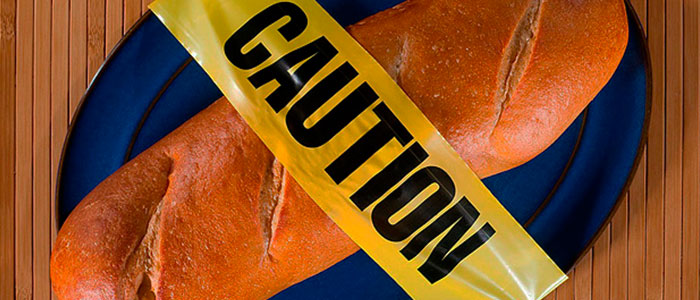
Are you interested in following a gluten-free diet to lose weight? We’ll tell you what it’s about. Celiac disease is a permanent intolerance to gluten. This protein seriously alters the intestinal mucosa, producing villous atrophy and poor absorption of nutrients. Among other symptoms, gluten intolerance can cause weight loss, delayed growth in children, mood changes, vomiting and diarrhea. Gluten is a protein found in grains such as wheat, oats, barley, rye, spelled, kamut and triticale. Before starting a gluten-free diet we must undergo an intestinal biopsy to confirm our intolerance. This diet must be strictly followed throughout life, since it is the only completely effective treatment. What foods are prohibited? The diet consists of eliminating products that contain as an ingredient any of the aforementioned cereals and/or their derivatives: starch, flour, breads, pastas, etc. The diet can include corn, rice, amaranth, quinoa, sorghum, cassava, cassava, manioc and those foods that do not originally contain gluten: meat, fish, eggs, milk, legumes, tubers, fruits, vegetables, edible fats and sugar. Some special gluten-free products are also manufactured, totally suitable for celiacs (bread, pastries, Italian pasta), where it must be expressly indicated that they have been made gluten-free. The Federation of Celiac Associations of Spain (FACE) distributes a book with an updated list of foods suitable for celiacs and their points of sale. When in doubt as to whether or not a food may contain gluten, it is better not to. consume it. When you make the purchase Even if it is food that we buy regularly, always check the list of ingredients that appear on the packaging label. Never buy products that are sold in bulk, that are handmade or contain wheat starch. Also discard those that are not labeled or the ingredients in their composition cannot be verified. If you buy corn, rice or other cereal flour, make sure it is not made in mills where wheat or oats have also been ground. If you eat away from home, you must take extreme precautions and always consult the waiter about the ingredients in each dish. Also about the details of the production process and the cooking method. These are, for example, some aspects that we must always confirm before ordering in a restaurant: Potato omelette cannot contain yeast. The fries have not been cooked in the same fryer as the croquettes or dumplings. The sauces have not been bound with flour. Vegetable purees or creams do not contain fried bread croutons. The legumes do not have sausage (there is no point in removing it later because the gluten can remain in the sauce). Avoid cooking gluten-free foods in oils where products that do contain gluten have been previously fried (for example, breaded meat or fish). Use mashed potato flakes to coat, bread or thicken sauces. To avoid cross contamination, gluten-free foods should not come into contact with ingredients that do contain gluten. You can prevent this by preparing food on a hygienic surface with always clean utensils. Gluten-free bread must be toasted in a different toaster than bread with gluten. Spreadable condiments, such as mayonnaise, jam or margarine should not be contaminated with knives or spoons that contain traces of other products with gluten. And when you cook… It is important to keep in mind that some medications, toothpastes or cosmetics may also include gluten, flours, starches or other derivatives for the preparation of their excipients. Therefore, it is essential for celiac patients to read the package leaflet beforehand and make sure that the drug does not contain gluten. If in doubt, always consult your doctor or pharmacist.