
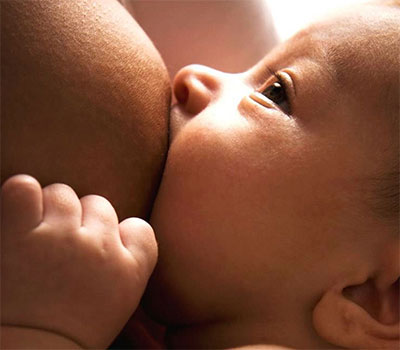
Benefits of Breastfeeding
Exclusive breastfeeding is used as a normative or reference model with which alternative feeding methods are compared.
Human milk is species-specific and all substitute feeding preparations differ markedly from it, making breast milk exclusively superior for infant feeding. For this and many other things, it is important to know the benefits of breastfeeding. Exclusive breastfeeding is used as a normative or reference model with which alternative feeding methods are compared with respect to growth, health, and development in both the short and long term. Disease Prevention Research in developing and developing countries provides evidence that breastfeeding decreases the incidence and severity of a wide range of infectious diseases. Some of these include bacterial meningitis, diarrhea, respiratory tract infections, necrotizing enterocolitis, otitis, urinary tract infections, and late sepsis in preterm neonates. Other studies suggest decreased rates of Sudden Infant Death Syndrome in the first year of life, reduced incidence of type 1 diabetes (insulin-dependent) and type 2 diabetes mellitus, lymphomas, leukemia, Hodgkin’s disease, overweight, obesity, hypercholesterolemia and asthma in children and adults who were breastfed compared to individuals who were not breastfed. Benefits for mothers Great benefits of breastfeeding for mothers’ health have been described. Among them is described the decrease in postpartum bleeding and more rapid involution of the uterus. This is attributable to increased oxytocin concentrations, decreased blood loss during menstruation, and increased spacing. Increase in births related to lactational amenorrhea, weight loss, decreased risk of breast and ovarian cancer, and possible decreased risk of hip fractures and osteoporosis in the postmenopausal period. When premature infants are fed their mother’s own human milk, they grow faster than those who do not receive human milk or from the mature milk bank. Human milk contains factors that help preterm birth such as: living cells, macrophages, T and B lymphocytes, antimicrobial factors, IgA, lactoferrin, hormones, enzymes and growth factors.