
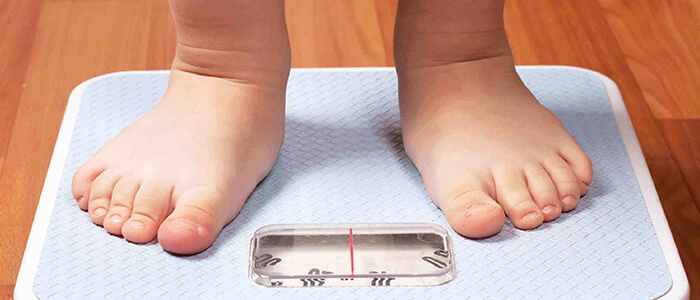
Childhood obesity in Mexico
What you may not know is that these childhood obesity problems in Mexico have serious physical and psychological consequences.
Did you know that 1 in 3 children in Mexico suffers from obesity? Childhood obesity in Mexico is a serious problem that must be controlled. Childhood obesity has consequences You’ve probably heard about the consequences of obesity in adults: high cholesterol, diabetes, heart problems, high blood pressure, joint damage… What you may not know is that these problems also affect overweight children. These health complications are very serious for a child because they endanger their development. In the case of Latino children, these health problems can be even more serious than in the rest of the child population. For example, the incidence of type 2 diabetes is much higher among overweight Latino children than in the rest of the obese child population, due to genetic reasons (many Latinos have a predisposition to suffer from diabetes and disorders related to the development of diabetes, such as insulin resistance). On the other hand, the consequences of childhood obesity are not only physical, but also psychological. Children who are overweight have more self-esteem, depression and integration problems than children with normal weight. All of this may seem alarming, and there are reasons for this: experts have been trying for years to raise awareness among the population about the need to control Mexico’s childhood obesity epidemic due to the serious consequences that these health problems have. That is why it is important to be informed about how obesity can affect your child’s health. Below, you can read in more detail what the consequences of obesity in children can be. Physical Consequences Resist ence to insulin Insulin is a hormone secreted by the pancreas. It is like a key that opens a door in the cells so that glucose, or sugar, from the food we eat can enter. This is how cells are nourished and we are able to obtain the energy necessary for our daily lives. Insulin resistance occurs when cells don’t hear that insulin is knocking on the door to open it. Since the door does not open, all that glucose remains circulating in the blood. In response to this excess sugar in the blood, the pancreas produces more insulin to see if by knocking louder the cells will listen and open the door. Sometimes this works, but only for a limited time. Over time, the cells responsible for producing insulin begin to fail due to overwork. These cells, called beta cells, cannot reproduce or regenerate, so when they die, the damage is permanent. Latino children tend to have higher insulin levels than non-Latino children due to genetics. If we add to this an excess of calories and lack of exercise, it is very possible that the genetic tendency to diabetes will manifest itself. Metabolic syndrome Metabolic syndrome consists of a series of health problems that indicate a high risk of developing heart problems and type 2 diabetes. A child has metabolic syndrome when he or she has developed three or more of the following problems: Abdominal obesity: Fat that accumulates in the abdomen creates more health problems than fat that accumulates in other parts of the body. Low HDL (high-density cholesterol) cholesterol: HDL is cholesterol that is considered “good” because it helps eliminate LDL (low-density cholesterol) or “bad” cholesterol. Triglycerides elevated: Triglycerides are a type of fat that circulates through the blood. When a person is obese, triglyceride levels rise. High blood pressure or hypertension: It is the pressure that blood exerts on the walls of the veins and arteries when the heart pumps. The more pressure there is, the harder the heart has to work to move all the blood. Glucose intolerance: This means that blood sugar levels rise after meals, although not as high as in diabetes. Increased blood glucose levels cause your body to produce more insulin, which can end up causing diabetes. A child who is obese suffers from these health problems to a greater or lesser extent. Type 2 Diabetes When you have type 2 diabetes, glucose from food stays circulating in the blood because there is not enough insulin for it to enter the cells. Common symptoms of type 2 diabetes are: Frequent urination and persistent thirst Extreme hunger Weight loss Fatigue and irritability Obese children whose parents are diabetic are more likely to develop this disease. Other physical consequences that occur less frequently There is a long list of health problems related to childhood obesity. Some of the most common, although not as frequent as the previous ones, are: Fatty liver: It occurs when there is an accumulation of fats or triglycerides in the liver, which can create cirrhosis (a disease that appears when liver cells die). The liver is an essential organ because it filters the blood. Apnea: Apnea prevents proper breathing during sleep and is often accompanied by snoring. People with apnea stop breathing for short periods of time When you enter they are sleeping, and this lack of air causes them to wake up and not rest properly. In children, lack of rest can cause problems in school, from hyperactivity to difficulty concentrating. Menstrual disorders: Obesity interferes with the activity of female hormones, responsible for regulating the menstrual period. Overweight girls tend to reach puberty at an earlier age. Orthopedic problems: Excess weight can prevent the tibia, one of the bones that runs from the ankle to the knee, from developing properly, which could have consequences for future growth and mobility. Darkening of the skin in the folds: Known as acanthosis nigricans, this condition produces dark patches in the armpits and the back of the neck, or in other places where there are folds in the skin. They are not harmful, but can mean insulin resistance or the start of diabetes. Psychological consequences Obese children are often the subject of ridicule and rejection by their peers. This exclusion creates psychological problems that can extend into adulthood. Some of the most common psychological problems of obese children are: Low self-esteem: Self-esteem is how you see yourself. When a person has low self-esteem, they usually describe themselves in negative terms and believe that they are not as good as other people. Self-esteem is established during adolescence, with group acceptance. This is especially important for men. A child who feels rejected for being obese may have very low self-esteem and carry this lack of self-esteem into adulthood. Negative perception of body image: According to surveys, nine out of ten obese children feel They are ashamed of their appearance and believe that if they lose weight they will stop being teased. Depression: For some children, the sadness and isolation caused by rejection can lead to depression. Depression is a serious illness that involves chemical disorders in the brain and has to be treated. Children cannot solve this problem on their own. In short, the psychological consequences of obesity are very real for the majority of obese children, who need the help of adults and professionals to overcome them. If your child has an overweight problem, talk to your pediatrician to determine how to start establishing healthy habits for your child.