Colors of fruits and vegetables, what do they mean?
The colors of fruits and vegetables do not represent a decorative attribute. That pigmentation granted by nature has a lot to do with the benefits.
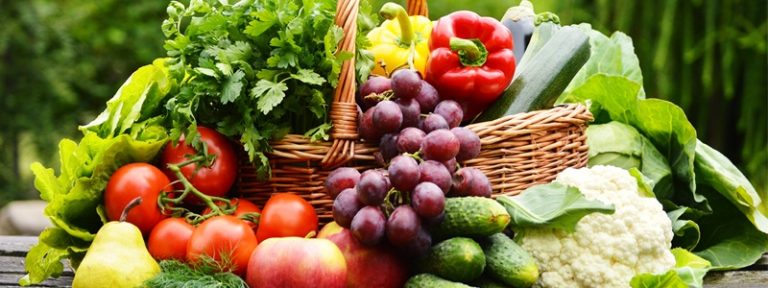
A balanced diet must contain fruits and vegetables, there is no doubt about that, but are you aware of what vitamin content each of them has? There is no best one or one that contains more nutrients than others. What you should know is that each color they have represents a characteristic that distinguishes that fruit or vegetable. The colors of fruits and vegetables do not represent a decorative attribute. This pigmentation granted by nature has a lot to do with the benefits they can bring you, since they are what give that color that distinguishes each fruit. Today we will show you what colors you can find in certain fruits and vegetables, and of course what they can give you if you consume them. Blue/Purple You will find this color in eggplant, blackberries, plums and raisins, among others, of course. The colors between blue and purple are generated by nutrients that provide protection to these fruits against insects and damage from UV rays. These nutrients provide us with protection against diseases in general. Fruits and vegetables with purple and blue colors are very effective for weight control. They are also high in carotenes, vitamin C, fiber and antioxidants. Green Broccoli, spinach, lettuce and Brussels sprouts are the best known with this color and it is because they contain chlorophyll. This pigment is responsible for absorbing the light that feeds the plants. Chlorophyll is also known to strengthen the immune system. These green foods also have a high content of carotenes such as lutein. This acts as an antioxidant in the eyes and skin. Red The red color is due to the presence of lycopene, which belongs to the group of carotenes. Tomatoes, apples, pomegranate, are some of the fruits that show this color. They are very effective in reducing the risk of contracting cancer of the prostate, pancreas, and stomach or intestine. Recent studies have proven that they protect against oxidation caused by ultraviolet rays and tobacco consumption. Yellow/Orange Vegetables and fruits that have this color must be because they contain lutein and carotenes. These, in turn, contain antioxidants such as Vitamin A and C. Mangos, yellow peppers, lemons, pineapple and pumpkin are some of those that contain this color. Speaking of peppers, their first phase begins green and they need more time on the plant to get that yellow, orange and red color. Each of these colors requires a certain amount of time. Vegetables with this color help a lot to correct many factors caused by aging, such as improving eyesight for example. White Vegetables that contain this color provide nutrients such as fiber, potassium and magnesium. Foods such as potatoes, cauliflower, corn, mushrooms and onions are some vegetables that have white color as a characteristic. As you can see, each color tells us something about the fruit or vegetable you are going to eat. Now, a salad that contains all these colors will bring you great benefits. From now on, try to add more colors to your food, because the more varied the range of colors you give your meals, the more nutrients you will be obtaining.