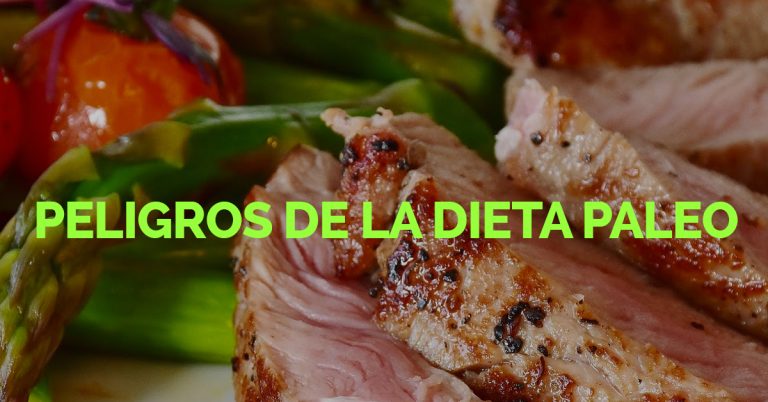
Dangers of the Paleolithic diet
New research has revealed that perhaps the Paleolithic diet can be dangerous for the person who decides to apply it.
New research has found that people who follow the Paleolithic, or Paleo, diet. They have high levels of a blood biomarker linked to heart disease. ** Researchers suggest, it is not balanced enough to ensure good health.** The Paleolithic diet – often known as the Paleo diet for short – aims to emulate what ancestors used to eat.** People who follow a Paleo diet have a high consumption of meats, fruits, vegetables, nuts and seeds. But no dairy, legumes or whole grains.** This type of diet has been surrounded by controversy, and researchers have been debating whether or not it is safe and healthy.** * For example, a 2016 study suggests that the Paleo diet may protect against heart attacks. And cardiovascular diseases by raising blood levels of a protective molecule.** However, another study from the same year made a completely opposite discovery. Concluding that this type of diet led to unhealthy weight gain and increased the risk of diabetes and cardiovascular problems.** Now, research by an Australian team points to more evidence suggesting that people following Paleo diets could be putting their heart health at risk.** The researchers come from four different research institutions in Australia: the Faculty of Medical and Health Sciences and the Faculty of Science, both at Edith Cowan University, Joondalup. The School of Molecular and Life Sciences, Curtin University, Bentley; PathWest Laboratory Medicine, in Nedlands. And CSIRO Health and Biosecurity, in Adelaide. The researchers’ findings appear in the European Journal of Nutrition.
**High levels of heart disease biomarkers
The researchers, led by Dr. Angela Genoni, worked with 44 participants who followed Paleo diets. As well as with 47 participants who followed typical diets that met national dietary recommendations.** The follow-up period was more than a year, during which the researchers collected biological samples. Of all the participants, they evaluated their diets and compared the results between the Paleo cohort and the control group.** Additionally, to be more precise in their evaluation, the researchers divided the participants who followed a Paleo diet. In two more groups, according to your specific preferences:** * Strict Paleolithic (22 participants), including individuals who ate less than one serving per day of grains and dairy products.** Pseudo-Paleolithic (22 participants), including individuals who ate more than one serving of grains and dairy per day.** The researchers found that, across the Paleo groups, individuals had elevated blood levels. From a compound that specialists associate with heart disease: trimethylamine N-oxide.** Trimethylamine N-oxide is first formed in the intestine and its levels depend on a person’s diet and the bacteria that populate their intestine, among other factors.** “Many Paleo diet advocates claim that the diet is beneficial for gut health. “But this research suggests that, when it comes to the production of [trimethylamine N-oxide] in the intestine.” The Paleo diet could be having an adverse impact in terms of heart health.”** Angela Genoni, Ph.D. “We also found that populations of beneficial bacterial species were lower in Paleolithic groups. “Associated with reduced carbohydrate intake, which could have consequences for other long-term chronic diseases,” he adds.**
**Why Paleo May Increase Health Risks
Genoni and team argue that people who follow Paleo diets have such high levels of trimethylamine N-oxide because they do not consume whole grains. These are a great source of dietary fiber and help reduce the risk of cardiovascular problems.** “We found that the lack of whole grains [was] associated with [trimethylamine N-oxide] levels.” “Which could provide a link [to] the reduced risk of cardiovascular disease that we see in populations with high whole grain intake,” Genoni says.** “The Paleo diet excludes all grains and we know that whole grains are a fantastic source of resistant starch and many other fermentable fibers that are vital to the health of your gut microbiome,” continues the lead researcher.** Additionally, the researchers note that participants in the Paleo diet groups also had higher concentrations of the gut bacteria - Hungatella - that generates the compound.** “Because [trimethylamine N-oxide] is produced in the intestine, the lack of whole grains could change. “Bacteria populations enough to allow greater production of this compound,” explains Genoni.** * “In addition, the Paleo diet includes larger daily servings of red meat, which produces trimethylamine oxide,” he notes. “And Paleo followers were consuming twice the recommended level of saturated fat, which is cause for concern.”** In the conclusion of their study, the researchers caution against excluding whole grains from the diet. It can seriously affect intestinal health, with implications for heart health as well. They also advocate the need for more studies on the role of vegetables and saturated fats in regulating key biological mechanisms in the intestine. If you want more information on nutrition and health topics, or need advice to find the healthiest eating plan to help you lose weight, **click here.