dehydration
Dehydration consists of excessive water loss. Learn more about this phenomenon and how to avoid it as much as possible.
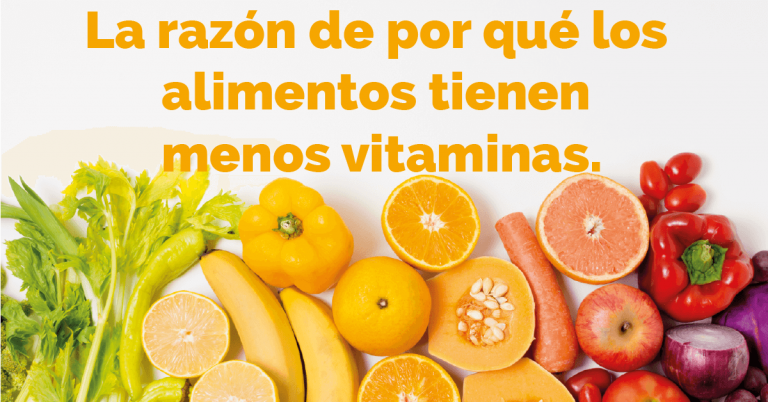
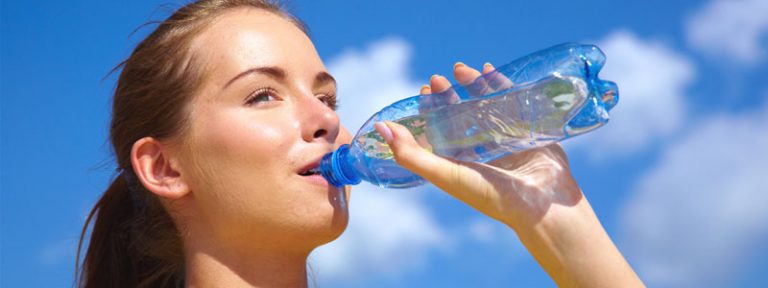
Water is an essential factor for all reactions and the structural component of all cells. In addition, it acts as a means of transporting nutrients and substances in the body. One of its most important functions is the maintenance of body temperature, since through the evaporation of sweat the body manages to dissipate heat. Water is so essential that in a moderate climate adults cannot live more than 10 days without it and children only 5 days. On the contrary, it is possible to survive without food for several weeks. What is dehydration? Dehydration consists of excessive water loss. The loss of 1% of body water causes a feeling of thirst. After 5%, serious disorders appear, such as slowing of the heart rate, nausea, vomiting, apathy, delirium, muscle spasm or impaired kidney function. Loss of 20% of body water can cause death. Under normal conditions, the amount of water drunk per day is approximately equal to the amount lost: there is a water balance. Water loss can occur through the kidneys in urine, through feces, from air exhaled through the lungs and through the skin, through sweat. Extreme heat also promotes dehydration, by considerably increasing water loss through sweat. Adequate fluid intake is essential to maintain an adequate state of hydration. The normal water requirement for healthy adults is 1.5 to 2 liters per day. In case of physical activity or excessive heat, more than 3 liters may be needed. The main source of liquid intake is water, drinks and infusions (milk, juices, carbonated drinks, tea , coffee, broths, soups, etc.) and other foods that have a modified consistency such as ice cream, jellies, etc. Some solid foods also provide considerable amounts of water: fruits and vegetables can contain up to 90% water in their composition.