
Diabetes Mellitus How to prevent it?
The “American Diabetes Association (ADA)” tells us that before a person develops type 2 diabetes, they almost always have “prediabetes,” that is, blood glucose levels are higher than normal, but not enough.
The “American Diabetes Association (ADA)” tells us that before a person develops type 2 diabetes, they almost always have “prediabetes”, that is, blood glucose levels are higher than normal, but not high enough to diagnose diabetes.
Blood glucose values are:
126 on more than 2 occasions is already diagnosed with Diabetes Mellitus Recent research shows that some long-term damage to the body, particularly to the heart and circulatory system, occurs during prediabetes. Research has also shown that if you take steps to control your blood glucose level when you have prediabetes, you may delay or prevent the onset of type 2 diabetes forever. The American Diabetes Association, together with the National Institute of Diabetes and Digestive and Kidney Diseases (NIDDK), published a Position Statement on preventing or delaying type 2 diabetes.
What is done to prevent it?
There is a lot of talk about eating habits, exercising, etc., but it is really necessary to know what to do, how to do it and where so that the information is correct and thus real prevention of Type 2 Diabetes Mellitus can be achieved.
- Do exercise. It is stipulated that walking, climbing stairs, swimming, and dancing, which are aerobic exercises but do not require the person to raise their heart rate too much, are the best activities for preventing diabetes and many other diseases; The ideal is to do it 30 minutes daily and 5 times a week, otherwise it does not work as a prevention method.
- Weight care. Losing between 5 to 10 kg lowers the risk of suffering from type 2 diabetes mellitus; The risk of type 2 diabetes is excessively low at body mass index (BMI) 21-22, but rises to five times this level at BMI 25, about 30 times at BMI 30, and the relative risk increases to almost 100 at BMI above 35.
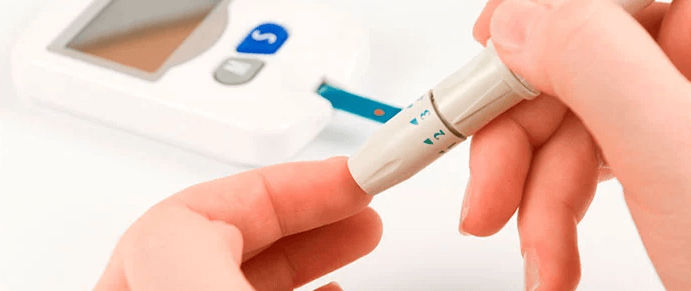
- Serum glucose monitoring. It is important that if you are overweight, have a family history of DM2 and are sedentary, you undergo routine tests. At least twice a year, a fasting plasma glucose test or a Basic Blood Chemistry. Another is the oral glucose tolerance test. To undergo both, the person must fast overnight. In the first, blood glucose is measured first thing in the morning, without having consumed food. In the second, the person’s blood glucose is measured after fasting and, again, two hours after ingesting a glucose-rich drink.