Diet to grow old healthy and strong
Here we tell you what you should include in your daily diet when you reach that stage of life. A diet to age well. The body is changing.
Just as babies and children need a special diet that allows them to grow healthy and strong, older adults also need to consume certain nutrients in order to stay healthy as they age. Here we tell you what you should include in your daily diet when you reach that stage of life. A diet to age well. The body changes as we age. That is why, for example, it is common for the digestive system to slow down. Which causes problems such as prolonged digestion or constipation. Likewise, it is natural that you begin to feel less thirst and/or appetite. Or you may have trouble chewing if you have lost teeth or have a denture. Additionally, many older adults do not drink the fluids their bodies need and can become dehydrated, or they eat too little and do not get the nutrients they need to stay strong and healthy. Fortunately, with the foods available in nature it is possible to avoid all these situations, but to do so you must have discipline and will. The first thing you should do is discover what products you can consume and which ones are most convenient for you or the person you care for.
Against constipation: fiber
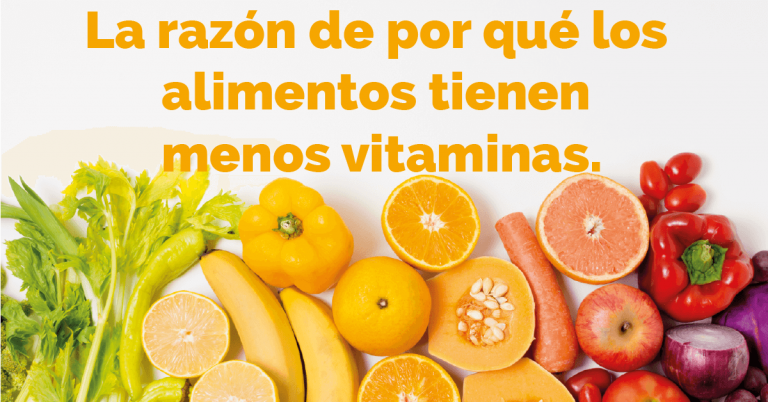
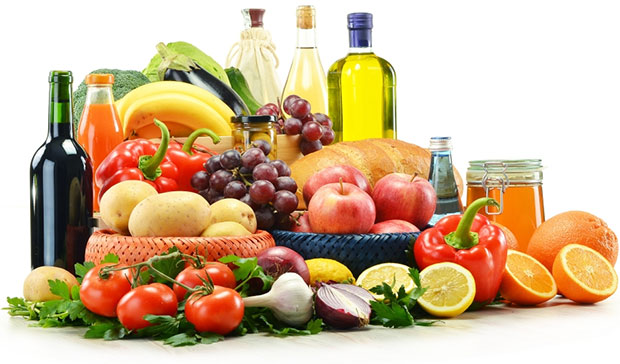
As you age, your intestines begin to work more slowly and have trouble digesting food. Fiber and whole grains can help you improve this situation. Because? Because insoluble fiber is a substance found in plants that the body cannot digest. Which is why it acts as a kind of broom that cleans your body from the inside. Which not only helps normalize intestinal transit. Soluble fiber also helps control blood sugar levels, and because fiber generally stays in the body longer, it helps with feelings of fullness and may help with weight loss. The Institute of Medicine recommends that adults age 51 and older consume about 21 grams of fiber daily. For women and 30 grams of fiber per day for men. Fiber is found in all plants that you can eat, that is, in fruits, vegetables, legumes and whole grains. For example, it is in: Breads and cereals (3-8g fiber per serving): oats, whole wheat bread, oatmeal bread, brown rice, high fiber cereal, corn tortillas. Fruits (3-5g fiber per serving): apples, figs, bananas, blackberries, pears, raisins, prunes, oranges, etc. Vegetables (3-5g fiber per serving): broccoli, cauliflower, sweet potato, cactus, cabbage, carrots, corn, potatoes, brussels sprouts, peas, etc. Legumes and seeds (3-6g fiber per serving): beans (kidney beans, kidney beans), lentils, pepitas, nuts, peanuts, popcorn (rosettes, ñaco, popcorn). Many of these products are also rich sources of vitamins, antioxidants, minerals and proteins. Additionally, while some foods with fiber can be difficult to chew, there are others that soften when cooked and are ideal for people who have mouth or teeth problems.
Against dehydration: liquids
Despite the risk of passing urine or accidentally losing some fluid (urinary incontinence), it is important for older adults to drink plenty of fluids. Since in general they tend to be less thirsty and can become dehydrated. In addition, liquids are necessary to act, together with fiber, in the correct functioning of the intestines. And thus avoid uncomfortable constipation. If you don’t like drinking water (or it’s difficult for the person you care for to drink it), don’t worry: milk (low-fat), infusions (such as coffee and tea), soups, and natural juices are good sources of fluids for older adults. In the case of soups, the ideal is for them to be prepared at home. If you use broths or buy ready-made soups, do not add salt and be careful about the amount of sodium they contain, as it can put your heart health at risk. Likewise, soda and ice cream are good sources of fluid, but you should be careful with the amount of sugar you consume. Of course, if you have diabetes you should avoid these products or choose those that do not contain sugar. In this case you should be careful with juices as well.
To keep your defenses strong: consume enough protein and vitamin B12
The ability to absorb vitamin B12 also decreases with age. An important source of these nutrients is meat. Always choose low-fat cuts and fish such as salmon, sardines, tuna and sole (flounder or turbot). The latter are also an excellent source of omega 3 fatty acids. Such as those found in nuts, seeds and avocados, for example, which help with brain function and reduce inflammation.
Against weak bones: consume calcium and vitamin D
With age, bones become weaker. That is why it is important that the body receives enough calcium daily. Ideally from food. You can get it from dairy products (select low-fat or defatted ones); also sardines, salmon and other fatty fish; from green vegetables (such as chard and spinach) and from the cabbage family (cauliflower, broccoli, cabbage, etc.), from seeds and dried fruits; of fortified foods and products made with soy. Ideally, you should get the calcium you need from food. Do not take supplements without consulting your doctor as excess calcium is associated with other health problems. Like kidney stones and heart problems.
Against lack of appetite: nutritious foods
Finally, remember that snacks can be very tasty but are often high in calories and low in nutrients. And since older adults tend to eat less because they have less appetite or cannot chew well. So it is preferable that they take advantage of every moment when they feel hungry to choose nutritious products. On the other hand, as you get older you should consume fewer calories. Since muscle mass is lost and the amount of exercise you do decreases, even though ideally it would increase. Yes, it is very important that along with a proper diet you also exercise. In general, people stop moving as pain appears and they lose flexibility. On the contrary. Exercise is a good ally to stay flexible and even to combat pain such as that of arthritis. Additionally, it helps keep muscles and bones strong. Of course, the amount will depend on the needs and physical conditions of each person, but that does not mean you have to remain sedentary.