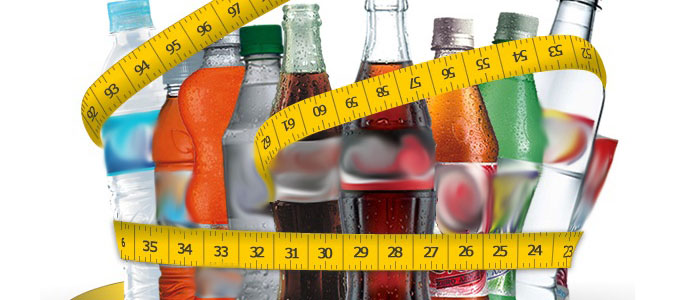
Do you know the reality of light products? Lose weight now!
The problem is that the light culture generated some confusion among consumers. We present the reality of light products.
The revolution of light products appeared in the 80s and represented a great change in the mentality of society at the time. It was then that people began to become aware of the relationship between health and obesity and how directly linked diet was to all of this. The rise of light since then has been unstoppable. Yogurts, soft drinks, juices, sweeteners, milks, jams, pastas, broths, cookies, breads, ice creams, mayonnaises, chocolates and a long etcetera, which are advertised and sold in order to convey the message that they are healthier. But are they really? “They represented a revolution for the slaves of diets and image. It is as if we were allowed to enjoy gastronomic pleasures without fear of gaining weight.” Dr. Pilar Riobó explains in her book “Why can’t I lose weight?” Although, be careful. “The diet label, sometimes, is just a commercial hook that generates some confusion among consumers.” Confirms this specialist in endocrinology and nutrition. Consumption with caution Novelty and ignorance led people to eat unlimited quantities of low-fat cookies, whole-grain biscuits or low-fat yogurt. Without thinking that there was even a greater increase in initial weight than if they had opted for the usual versions of those products. The problem is that “the light culture generated some confusion among consumers.” It was thought that these products made you lose weight or that you gained practically no weight at all and, based on this erroneous belief, they began to be consumed in excessive numbers,” clarifies Riobó. “In no case is normal consumption mandatory or recommended. l of foods that have been modified. The main objective is to eat healthily and, if necessary, use them as an aid to correct our wrong habits. The best thing is to continue taking natural foods and improve habits so as not to have to abuse light and 0.0%.” Explains nutritionist specialized in weight loss Aida Fernández. Sedentary lifestyle, excessive intake of fatty foods and lack of exercise are the main causes for the large-scale development of obesity in our country. However, there is a false belief that by consuming light products you can reduce weight. As a general rule, it is considered that taking these products replaces a balanced diet or that Eating them in abundance is harmless because “they do not have calories.” Rosa Elena Yáñez, a nutritionist specializing in diabetes, also agrees. Due to this, the European Food Safety Authority (EFSA), the Ministry of Health and the Spanish Agency for Food Safety and Nutrition (AESAN) decided to take action on the matter. foods a regulation on their labeling (EC Regulation 1924/2006 on nutritional and health claims on foods) to prevent certain terms from misleading the consumer. From then on, a food can only be classified as light or light if it has a reduction of at least 30% in calories compared to the normal version of the same product and the same brand. the return to the jars Whenever we go to purchase a food, it is necessary to look at its labeling. This is where we will find the exact amount of nutrients, additives and reductions that interest us most. We explain the most common ones: By sugar content “Sugar-free” or “sugar-free”: You will find it in products that have less than 0.5 grams of sugar per hundred grams of food. “Low in sugars”: Its sugar content is less than 5 grams per hundred grams of product. “No added sugar”: No sugars or any type of food used for its sweetening properties have been added. It may contain the food’s own sugars, but it must be indicated that “it contains naturally present sugars.” By amount of salt “Unsalted”: The product has 0.013 grams of salt or less per hundred grams. “Low in salt”: Contains 0.31 grams of salt per 100 grams. “Very low in salt”: The product contains 0.10 grams of salt or less per hundred grams. “Sodium-free”: The product has less than 0.005 milligrams of sodium per hundred grams. “Low sodium”: Foods that have 0.12 grams or less of sodium per hundred grams. “Very low in sodium”: Contains 0.04 grams of sodium per hundred grams. “No salt added or no salt”: No salt is added during processing, but the product may contain sodium. Regarding its caloric value “Low in calories”: The product has at least 40 calories per hundred grams. In liquid products, the amount varies to 20 calories per hundred milliliters. And in sweeteners, those that contain 4 calories per serving will have a low caloric value. “Reduced in calories”: This is any product that has a minimum of 30 percent calorie reduction compared to the original product. “No calories”: In this case, the name ination only applies to liquid products when they contain 4 calories per hundred milliliters of food. Regarding sweeteners that indicate that they have no calories, they must indicate a maximum of 0.4 calories per serving. Due to the presence of fats “Low in fat”: This is a product with less than 3 grams of fat per hundred grams. In liquids, the amount of fat will be less than 1.5 grams per hundred milliliters. Only in semi-skimmed milk is up to 1.8 grams of fat per hundred milliliters allowed. “Low in saturated fat”: These are those products that have less than 1.5 grams per hundred grams. In liquids, the amount of fat will drop to 0.75 grams per hundred milliliters and ten percent of energy. “Low in cholesterol”: It will be when 0.02 grams per hundred grams of product or 0.01 grams per hundred milliliters of liquid appear. “Reduced in fat”: Any product that has a fat reduction of at least 30 percent compared to the reference product. “Fat-free”: When it contains less than 0.5 grams of fat per hundred grams. This amount is the same for solid and liquid foods. “No saturated fat”: When the food has less than 0.1 grams per hundred grams of product, whether solid or liquid. ASPECTS THAT MAKE A DIFFERENCE “Reduced content of…”: It may only be declared that the content of one or more nutrients has been reduced if the reduction is at least 30 percent compared to a similar product. For micronutrients, a difference of 10 percent in the reference values established in Directive 90/496/EEC will be admissible, as well as for sodium, or the equivalent value for salt, where a difference of 25 percent will be admissible. “Light” or “Di et” : All statements that include this message must meet the same conditions as those established for the term “reduced content”. Likewise, the statement must be accompanied by an indication of the characteristic or characteristics that make the food light, diet or lite (light). “Fat-free” : It is advisable to consume a limited amount of fat, but be careful, because not all fats are bad. Our body needs a certain amount of fat to absorb nutrients, help in nerve transmission and maintain the integrity of the cell membrane, among other functions. We must differentiate between saturated fats (butter, cream, aged cheeses, red meats) and trans fats (pastries, cookies, fried foods). The latter are responsible for increasing the risk of heart disease. There are also fats that can really help us have better cardiovascular health. Practice these light ideas! Leave aside fried foods: Steamed, grilled, baked, in the microwave or wok are the best ways to prepare your foods without fat. Respecting the flavor, texture and natural properties of the foods: Make your side dishes lighter: Sautéed, roasted, grilled, sautéed vegetables, salads, crudités, boiled potatoes, purees with skimmed milk… Increase fiber consumption: Choose products without fat. refine, it will improve the feeling of satiety and intestinal transit. Limit fats: Reduce the intake of fatty products (butter, cream, red meat, cold cuts, which. so cured, oil…). Select low-fat foods. Such as fish, skinless chicken, turkey, strip of sirloin, filet of beef, and low-fat or fat-free dairy products. When you are going to cook meat: Remove all visible fat before cooking. Avoid foods with empty calories: We are referring to sweets, snacks, sugary soft drinks, and alcoholic beverages. Don’t abuse sugar, honey, jam or chocolate. They are appetizing foods, but very caloric and do not nourish the body. In broths or cooking stocks made with fatty parts of an animal (ribs, beef brisket, bones, chicken carcass). It is better to prepare them the day before and keep them in the refrigerator for at least four hours. The grease will have solidified on top and will be easier to remove. While the broth is making, you should remove the foam that comes out. Experiment with dressings and spices: They will enhance the flavor of your dishes without the need to add salt. Make friends with vinegar, lemon, curry, paprika, garlic and aromatic herbs. An aid for the senses There are many foods that have a low-calorie version and that really help people who are on a diet to continue enjoying a greater gastronomic variety and flavors. Here are some examples proposed by Dr. Pilar Riobó, by diabetes specialist Rosa Elena Yáñez and by the Consumer platform: Mayonnaise: The original sauce is made with vegetable oil, egg, vinegar or lemon juice, while its light version is made with less oil and egg, adding cornstarch as a thickener. In this way, it provides half the calories than the traditional one and up to five times less cholesterol per tablespoon. to. Liquid cooking cream: Its light version has less fat, cholesterol and some fewer calories. These types of sauces, including the light version, should be limited or consumed in moderation. Fresh cheese: It has the advantage of being much less caloric than other types of cheese, as it is obtained from pasteurized cow’s milk. Its light version will depend on the type of milk it is made with. By changing whole fat for skimmed, the amount of fat is reduced to practically zero and its calories are halved. Jams: They are naturally sweet foods due to their composition of fruits and sugar. Make sure you buy those in which the sugar has been replaced with non-caloric sweeteners. Those that change sugar for fructose continue to retain the same calories. Soluble cocoa powder: Those who like to sweeten milk should know that a tablespoon of cocoa contains more than 70 calories, since it is a food rich in carbohydrates. In its light version, the energy contribution is reduced by half. Non-alcoholic beer: The most famous blonde, despite being one of the most popular appetizers in our country, also provides calories. Between 62 and 66 per hundred milliliters. On the other hand, non-alcoholic beer only provides 28 calories. It’s something to think about, right? 3 Requirements that a Light food must meet The same product must exist in a non-light version. The reduction in energy value will be at least 30% compared to the non-light product. The labeling must indicate the calorie reduction, energy value (per 100 grams or 100 milliliters) and existence of the reference food (non-light product). The energy value per serving can be included.