Do you retain liquids? We tell you how to reduce that inflammation
The body is 70% water and when this number increases, there is the well-known fluid retention. Learn more about this.
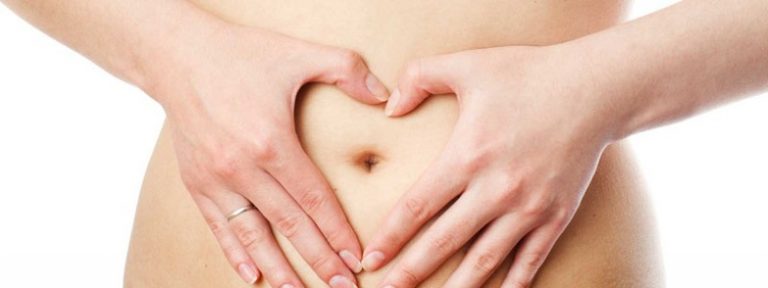
The body is 70% water and when this number increases, there is the well-known fluid retention. Also called dropsy, fluid retention usually has a hormonal origin. Women are more prone than men. This occurs when there is an imbalance between the forces that regulate the passage of liquids. Many times the origin is following diets that are not entirely adequate, causing swelling and cramps. Other possible causes are excessive alcohol consumption, liver disorders or weakness, poor kidney or heart function, some medications, lack of protein, a sedentary lifestyle, and menopause. The most common symptoms of dropsy are swollen ankles and fingers, bags under the eyes, swelling of the abdomen, rapid weight changes, sweating and little urination. Don’t know if you currently retain fluids? A simple way to check this is to press the skin with a finger. If the pressure mark takes seconds to fade when you remove it: we are retaining liquids. Apart from being harmful, this condition can be somewhat uncomfortable due to the inflammation of the stomach. So we put together a series of effective remedies against fluid retention. The most typical remedies to combat fluid retention are: reduce salt consumption, eat a balanced diet eating lots of fruits and vegetables, drink plenty of water, and exercise. Also natural diuretics, whether made from mustard seed, fennel, dandelion, apple cider vinegar, onion or green tea. Among the most recommended exercises, swimming will help more in less time. For example, if you go for a 30-minute walk it will not have the same effect as swimming. Since When we swim we use many more muscles. Among which, moving the legs generates the circulation of fluid to the bladder so that it can be expelled through urine. If you don’t like drinking plain water, you could also use infusions on an empty stomach as a remedy. Infusions of parsley, juniper, olive leaves, leek broths, asparagus and cucumber are the best against fluid retention. Watch your consumption of foods with sodium. We have mentioned it before, it is important that you read the nutritional information of all the foods you eat. In this case especially, there are many foods that are low in sugar but very high in sodium. It is also very important to get at least 8 hours of sleep at night. This helps to compensate for the accumulation of liquids that occur. By following at least two of these recommendations, you will surely see changes in your body. Either the inflammation will gradually go down, and your health will also be much better.