
Food and Alzheimer's
It is believed that there is a very strong relationship between diet and Alzheimer's. Certain foods have preventive properties
The Alzheimer’s problem leads in a certain way to the loss of functions related to eating; Patients sometimes forget to eat and it is important to maintain good nutrition to avoid further deterioration in the patient. Access to food via the oral route in most cases of Alzheimer’s is viable, in other more serious circumstances adaptation to the enteral route is necessary because swallowing in the patient is not possible or the control of the esophageal sphincter is damaged.** When we have a patient who can be fed orally, it is necessary to provide sufficient energy and the appropriate nutrients in a small amount of food. Nutritious foods with great energy intake:
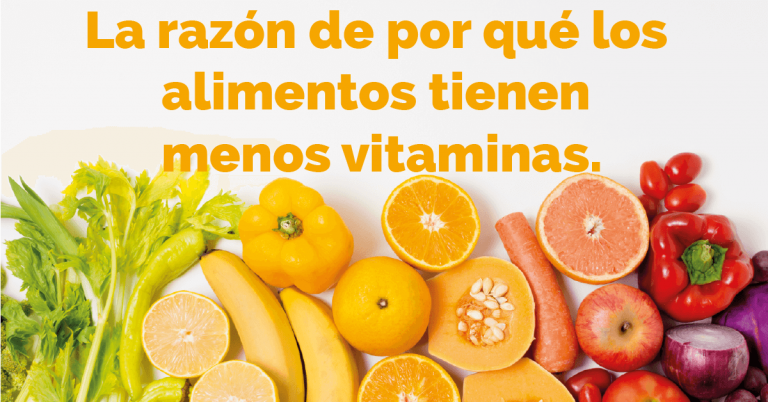
- You can use smoothies made from fruits such as: banana, coconut or almond milk, honey, chia, liquid vanilla or chocolate powder.
- Eat nuts and seeds rich in mono- and polyunsaturated fats, which are a good source of energy.
- Give the patient liquid drinks rich in carbohydrates such as: fortified milk, ENSURE, chocolate milk, etc. In addition to providing an adequate energy intake, it is of great importance to provide food in a correct presentation; That is, the patient can digest and chew them more easily. Preparing chopped, pureed and mashed foods may be an appropriate option for these patients.