
Overweight is not a disease, it is a condition
Overweight, like obesity, is characterized by an increase in body weight and is accompanied by an accumulation of fat in the body.
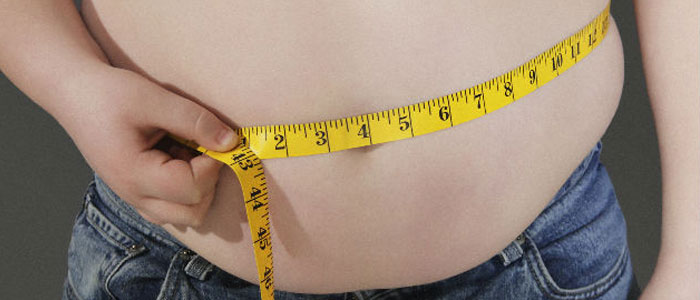
Overweight, like obesity, is characterized by an increase in body weight. It is accompanied by an accumulation of fat in the body. It is due to an imbalance between the amount of calories consumed in the diet and the amount of energy (in the form of calories) expended during physical activities. How it is determined In the past, overweight was determined using the Broca index. First, the ideal weight of a person was calculated according to their height. Based on the difference between the actual weight and the ideal weight, overweight or underweight was diagnosed. It has been suggested that the percentage of fat accumulated in the body is an indicator of the risk of cardiovascular diseases. Waist-to-hip ratio (WHR) and waist circumference are now used more and more than BMI. Overweight has also been defined as a weight 10 to 20% greater than one’s height in centimeters. Considering an ideal weight, a weight less than 10% in men and 15% in women in relation to height. However, a person’s body weight depends on their fat mass, bone mass, muscle weight, and water weight. The most advisable thing is to go to a doctor specialized in nutrition who can tell you your health status regarding weight. Overweight in itself is not a disease but it is a condition that predisposes to the development of diseases. Some examples are: diabetes, high blood pressure (hypertension), elevated blood fats (dyslipidemia), heart attacks, strokes, some types of cancer and promotes premature death. Currently, according to nutritionists, the most reliable method to assess the health risks caused by overweight is to measure the contour of the c intura. Some studies have associated that accumulated fat in the abdominal area is directly related to cardiovascular diseases. The easiest way to determine the amount of fat accumulated in the abdominal area is to measure the waist circumference. In Mexico, it is recommended to maintain a waist circumference of less than 80 cm for women and less than 94 cm for men. Levels above these parameters are associated with a greater risk of developing the diseases previously indicated. Causes and risk factors The main causes are: 1. Poor sleep (apnea) 2. Genetic factors and metabolic alterations. 3. An excessive and incorrect diet associated with lack of exercise (low energy expenditure). 4. Eating disorders (anxiety). 5. Metabolism too slow. Most cases of overweight are located in industrialized countries. Where food is abundant and work is done that does not require great physical effort. Symptoms Weight gain usually happens over time. Most people know when they have gained weight. Some of the signs of being overweight or obese are: Clothes are tight and a larger size is needed. The scale shows that there has been weight gain. There is excess fat on the waist. Body mass index and waist circumference are higher than normal. Diagnosis The most common way to find out if you are overweight or obese is to calculate your body mass index (BMI). BMI is an approximate estimate of body fat. It is a good indicator of your risk for diseases that occur when there is more body fat. The higher the BMI, the higher your risk of disease. BMI is calculated from height and weight (weight in kilograms/height in meters squared). An individual is considered overweight when their body mass index (BMI) is between 25kg/m2 and 29.9kg/m2, according to the World Health Organization. In children it is established from the 85th percentile of the Body Mass Index (BMI) and Obesity from the 95th percentile. Another definition involves a person’s weight being 20% higher than their ideal weight. Treatment The treatment is multidisciplinary with the intervention of a nutritionist, a psychologist, even a doctor specializing in endocrinology. Prevention The best way to prevent weight gain is to have a diet according to physical activity and to exercise continuously.