Prevention of cardiovascular diseases
The prevention of cardiovascular diseases is exercised on the plate with a balanced diet, modeled on the famous Mediterranean diet.
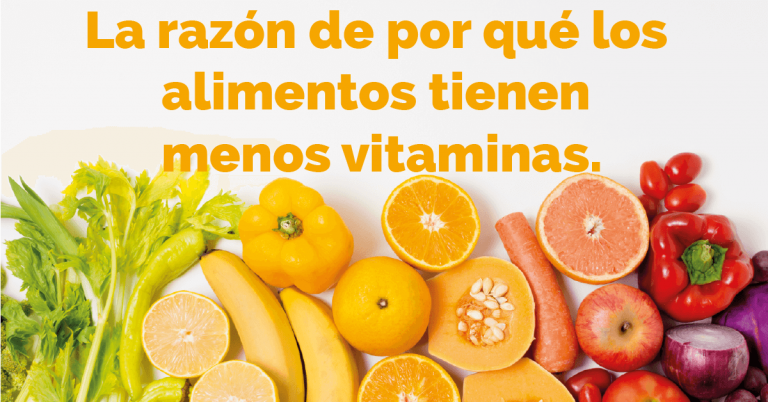
There is no doubt that people who do not smoke, maintain their ideal weight, eat a balanced diet rich in fruits and vegetables, and engage in regular physical activity are less frequent victims of certain conditions. Prevention of cardiovascular diseases should start from adolescence and even from childhood. Age at which good eating and lifestyle habits begin to be adopted that last over time. In reality, the responsibility lies with the parents. In this prevention, nutrition is essential since atheroma plaques can be deposited very soon. Even in the youngest arteries. Practicing a sport or physical activity is also part of this prevention in youth. It is one of the factors of weight stability and limits or prevents the habit of tobacco. It is evident that this prevention must be continued throughout the rest of life. Dietary prevention The prevention of cardiovascular diseases is exercised on the plate with a balanced diet. Traced in the famous Mediterranean regime. Due to this balance, the diet does not provide too many lipids rich in saturated fatty acids, cholesterol, or salt. It is rich in fruits, vegetables, cereals. It contains sufficient fiber, mineral salts, vitamins and therefore protective antioxidants. This balanced diet prevents you from gaining weight and becoming a victim of obesity and/or fatty diabetes. In this protective diet, you can include two or three glasses of red wine a day. And the reasonable use of olive oil as a fatty body whose protective effects have been demonstrated for years. Prevention is a set Prevention d and cardiovascular diseases is a whole since all the risk factors are mixed and so are the means of prevention. The Mediterranean diet is considered the most heart-healthy. That is, the one that best helps prevent cardiovascular diseases. It is a diet that is characterized by a high content of fruits, vegetables, oily fish, legumes, nuts and olive oil. But the most important thing is that it is a varied, balanced and healthy diet. However, this diet seems to be forgotten in Spain, as shown in a report by the Spanish Agency for Food Safety and Nutrition published in 2012. It indicates that in our country an insufficient amount of fruits and vegetables, few cereals (and in most cases refined), an excess of meat products and derivatives and a high amount of foods with a high content of sodium, saturated fats and refined sugars are consumed. And older people are no exception when it comes to these eating habits, even more so taking into account that type 2 diabetes, high blood pressure and hypercholesterolemia are highly prevalent in this population group. And these three diseases are considered determining risk factors in relation to cardiovascular diseases. “Heart-healthy diet” Health organizations have developed a series of recommendations to follow a heart-healthy diet: Eat fruits and vegetables every day Five pieces of fruit and vegetables a day are recommended. But no more than one juice a day, as it has a lower satiating effect and does not have the same nutritional properties as the whole piece. You should also avoid precooked or packaged vegetables, as they tend to have a high salt content. It is advisable to steam them and, if necessary, cook them or season them with olive oil. Limit salt It has been shown that limiting salt consumption to 3 grams a day provides the same health benefits as quitting smoking. It must be taken into account in this regard that most of the salt ingested comes from foods such as bread, pastries, sauces, cheeses, meat derivatives and, in general, the vast majority of pre-cooked and packaged foods. Whole grains The cereals (rice, wheat, millet, rye, etc.) that are usually eaten are mostly refined. However, the heart-healthy qualities of whole grains, those that have not been processed, are decisive, as they reduce the risk of type 2 diabetes, high blood pressure, heart disease and even cancer. Legumes The presence of legumes in the diet must be guaranteed, but be careful when preparing them: it is advisable to avoid dishes with a high fat content (stew, fabada, etc.). Nuts Experts recommend consuming nuts regularly. Its benefit has been demonstrated in maintaining cardiovascular health. It is enough to take 2-3 walnuts daily, for example at breakfast. More fish and less red meat Fish such as sardines, mackerel, tuna or salmon provide monosaturated and polyunsaturated fats. In addition to essential fatty acids, such as Omega 3. It is therefore advisable to reduce the intake of red meat and increase the consumption of this type of fish. Skimmed dairy The contribution of calcium from milk and its derivatives is essential to avoid osteoporosis. But its fat is harmful to cardiovascular health. For this reason it is preferable for older people to consume dairy products. skimmed teas. Eggs The recommendation of specialists is not to exceed four eggs a week. Sugary drinks should be avoided. Alcohol Very moderate consumption. One beer or glass of wine a day. Although it must be taken into account that alcohol can interact with some medications. How to cook food An important part of a heart-healthy diet lies in the way you cook food. Steam vegetables, grill meats and fish. Not making very elaborate or spicy dishes and limiting salt to a minimum is the best recommendation. Five meals a day Nutrition specialists also recommend eating five meals a day. Breakfast, lunch, lunch, snack and dinner. This prevents snacking between hours and allows you to maintain a feeling of satiety throughout the day. Dinner should be light and it is best to wait a while before going to bed. Exercise Half an hour of daily exercise (just walking) is a good complement to a balanced diet.