Take care of your children's nutrition this back to school
Children need almost constant nutrition. Take care of your children's nutrition this back to school with this article.
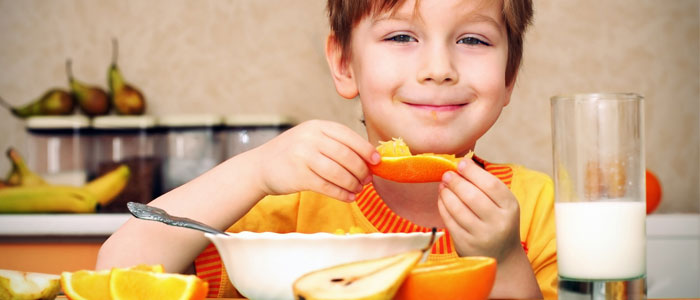
The return of children to school can mean for many parents the concern and challenge of the quality of the daily menu during classes. To save you so much worry, we will give you tips to take care of your children’s nutrition. Weight-conscious adults may skip snacks here and there, but for active kids, snacking is a vital overall part of a healthy diet—as long as the snacks are healthy, of course. Snacks Children need almost constant nutrition. In fact, nutrition specialists affirm that it is impossible for children in the school and growing stages to get all the necessary calories and nutrients with just three meals a day. Therefore, it is imperative to use cereal bars low in sugar and trans fats (try quinoa, sesame and flaxseed), nuts, pretzels, whole grain cheeses and crackers, fruits and vegetables such as carrots and celery with almond butter (avoid peanut butter). Snacks of this style have to be part of children’s daily diet. Therefore, pay special attention to what you put in their lunch boxes; make them nutritious, colorful and creative. According to specialists, most school-age children should consume at least one snack a day, equivalent to 20 percent of their calories. Little ones may need two bites, depending on the rest of their diet during the day. Finding healthy snacks According to Dr. David Ludwig, a childhood obesity specialist at Children’s Hospital Boston and author of Ending the Food Fight, a book that helps children have healthier diets, ice cream is okay once in a while. from time to time and outside the house. This will limit your access. Otherwise, healthy snacks will compete with sugar and fat for children’s attention. Read nutrition labels and look for whole-grain foods such as whole-grain breads, crackers, pasta, and tortillas that have at least 3 grams of fiber per serving. Serves as a model. Don’t wait for your children to do what you don’t do. Teach them by example and moderation, with balance, consuming more vegetables and fruits, and physical exercise. Aim for more than five servings of fruits and vegetables a day, or at least 2 1/2 cups of vegetables and 1 1/2 cups of fruit. Make them part of the purchasing, selection and cooking process. Children love to be part of the process, making decisions, preparing, tasting, and of course, eating. Varying is the best way to keep children from getting bored and to ensure they get all the nutrients they need. Be as visual with food as you can; Children (and adults too) are fascinated by colors. Portions The school stage of children, specialists assert, is essential to create a solid and healthy nutritional base. Leaving aside traditional culinary roots that many of us use as an excuse to avoid eating healthier. All dishes, no matter how traditional they are, can be transformed into something healthier without losing seasoning or flavor. But for that to happen, you have to start with you first. Teach yourself and your children portion control: avoid adopting the abysmal portions of food served in restaurants at home and avoid consuming soda at all costs. Water, seltzer, milk or natural juices (in the morning) are the best options. Keep in mind that the timing is key. l Between-meal snacks should be served 1 1/2 to 2 hours before meals. Otherwise, they will lose hunger. Lastly, be creative. Children need change and love small meals and snacks, many of which can be purchased ready-made. For example: sushi, salsa and chips, whole grain crackers with ham and cheese (or just cheese), baked potatoes instead of fried, potato omelette, pretzels or baby carrots with almond butter make delicious snacks that are super easy to have on hand to serve. You can place them in fun containers just for that purpose so that children get used to and mentally organized to look for their snacks full of color and nutrition on their own. Remember, some color mixed with fun can turn your children’s diet into a new world of snacks to explore and share.