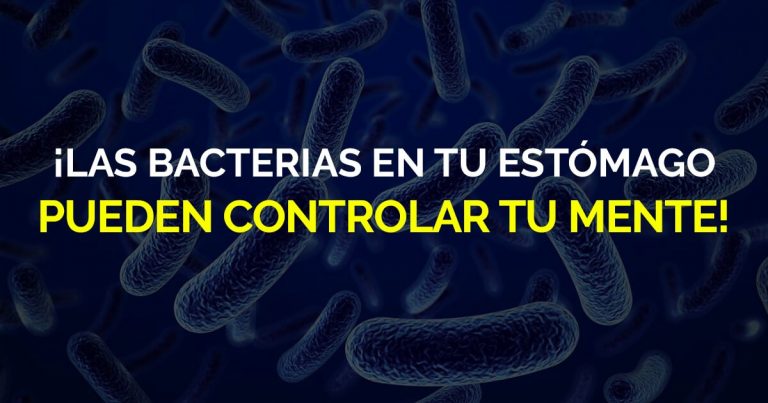
The bacteria in your stomach can control your mind!
Although the bacteria found in our stomachs are a million times smaller than us, they have a lot...
Although the bacteria found in our stomachs are a million times smaller than us, they have much more influence on us than we would like to accept. With 40 trillion bacteria outnumbering our 30 trillion cells, it really makes us wonder who is really in charge of our bodies? Scientists have reason to believe that microbes can communicate and alter the way our brains work. Although the bacteria in question resides in the digestive tract. Mental disorders such as depression, anxiety and autism are thought to be related to the microbiome that lives inside us. According to one study, when mice were given an antidepressant or a certain strain of bacteria, they reacted similarly to stressful situations.**
The studio
Both produced fewer stress-related hormones. It has been found that bacteria species can reduce and induce feelings of anxiety. For example, when mice displaying behaviors associated with anxiety were given lactobacillus and/or bifidobacterium, their symptoms were alleviated. However, when the bacteria from the anxious mice were transplanted into mice with a calmer nature, they began to experience anxiety. Similar findings have been observed in autism-related research. Researchers began studying the possible connection between the disorder and intestinal bacteria. When it was discovered that the majority of people diagnosed with autism had some type of gastrointestinal problem. What they deduced was that autistic individuals had lower counts of Bacteroides fragilis bacteria. Interestingly, when this species of bacteria was given to mice with symptoms of autism, their behavior improved considerably. In contrast, a chemical thought to be produced by gut bacteria is thought to be a factor that causes autism. The chemical 4-ethylphenylsulfate (4EPS) was found to be 40 times higher in the blood of mice exhibiting autism and inducing these symptoms. Once 4EPS was injected into mice that had not experienced it before. Research has also been conducted in humans with comparable results. One study sought to determine if ingesting a prebiotic would regulate the production of the stress hormone, cortisol. When study participants were exposed to words on a screen, the group that had taken the prebiotic focused more on the positive words. They also had lower levels of cortisol. The results even mirror those of people taking medications for depression or anxiety.
Tips
After breaking some bad habits, here’s what you can do to balance the bacteria in your gut:
- The best thing for your intestine is to eat a variety of prebiotic foods. Prebiotics allow the growth and diversification of the healthy bacteria found within you. By eating foods like asparagus, garlic, carrots, and tomatoes, you are improving your health.
- Medications like antibiotics and birth control pills can kill both good and bad bacteria in your gut (not to mention encourage the growth of superbugs). It is recommended to avoid antibiotics unless necessary. Make sure your diet is rich in foods that replenish your gut health if you are taking one or both of these medications.
- Because alcohol eliminates bacteria and increases the permeability of your intestines, it is recommended to abstain or consume alcohol in small quantities.
- To give your microbiome an extra boost, increase your consumption of fermented foods. Sauerkraut, kombucha, and miso are loaded with good bacteria that your gut needs.