This is what happens if you eat too much salt, according to nutritionists
The role of sodium in the body is important. The problem is when we really start to overeat this type of ingredient.
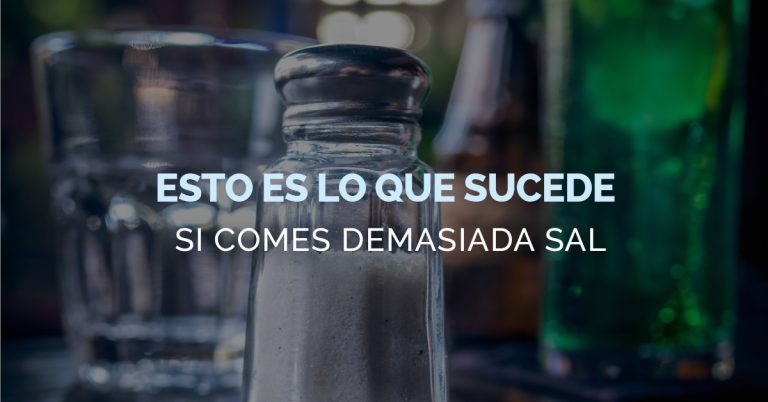
One of the important functions of sodium in the body is to help balance fluids, but if you consume too much salt, water retention occurs. You know that “why am I so swollen all of a sudden” feeling. “One of the biggest short-term consequences of eating a lot of sodium is bloating,” says dietitian Amy Gorin. * She points out that your weight can even increase by a few grams the night after a meal of sushi spent dipping its rolls in (super salty) soy sauce. What are some signs that your diet regularly contains too much sodium? It’s about the long-term consequences. “Excessive sodium consumption can put you at risk for a plethora of health problems,” says Gorin. Frequent headaches or kidney stones are just a few examples. Over time, however, high blood pressure may be the most pronounced symptom – and it’s one you should pay attention to, even if you consider yourself healthy. “High blood pressure is the leading cause of death for women in the United States,” Gorin warns.
What can you do if you have eaten too much salt?
To help your body regain balance, hydrate yourself with water. And eat foods that are good sources of potassium, a strategy that will help you in the long run. When it comes to maintaining healthy blood pressure levels, the Centers for Disease Control and Prevention (CDC) says. Potassium acts as an opposing force to sodium and lowers blood pressure. That doesn’t mean you have to eat bananas or watermelons - although both offer stellar sources of the mineral. Instead, you simply plan to eat more produce (of whatever variety you feel like that day). And commit to cooking your next meal at home. As Gorin points out, only 11 percent of the sodium you eat in a day comes from the salt shaker. Now is the time to make that healthy recipe you’ve been meaning to try from your favorite IG-er.
What are some smart ways to reduce salt?
The good news here is that you won’t have to worry about counting every milligram of sodium – or eating bland food. The truth is that sodium is something that your body needs for the proper functioning of muscles and nerves and it is also a seasoning that enhances the flavor of foods. But it’s not the only way to make meals tasty. When cooking, Gorin recommends turning to other high-flavor seasonings, like garlic and onion powders, and bringing the heat with cayenne pepper and red pepper flakes if you like things spicy. Lemon juice and vinegars will add brightness to unsalted foods. * When you are at a restaurant, you are probably going to have a meal with more salt, even if you order it right. “If you order fresh fish and vegetables at a restaurant, you can bet the chef is adding more salt than you would if you were cooking at home,” Gorin says. When you go out, he recommends that you ask the chef to be careful with the added salt. Finally, eat fresh foods when you can. The CDC notes that more than 40 percent of the sodium consumed each day comes from 10 types of foods. These include breads, pizzas, soups, bagged sandwiches and cheese. Many of these foods are of the ultra-processed variety that nutrition experts recommend limiting anyway. Convenience foods are also amazing when you get home from work. But even organic frozen meals can contain more than 700 mg of sodium. And no matter what foods you buy, read the labels to understand how much you’re eating, Gorin says. Your heart (and your jeans) will thank you tomorrow. If you want more information on nutrition and health topics, or need advice to find the healthiest eating plan to help you lose weight, ** click here