
Vegetable milks
Alternatives to cow's milk: vegetable milks are excellent options, extremely healthy, thanks to their high content of essential nutrients
Alternatives to cow’s milk: vegetable milks are excellent options, extremely healthy, thanks to their high content of essential nutrients. It is usually common that, when a person consumes cow’s milk, after a short time they tend to suffer symptoms such as poor digestion, flatulence and upset stomach. This is called lactose intolerance, and the reality is that many people are originally unaware that they suffer from this disorder. This intolerance appears when there is a lactase deficiency during the lactose absorption process in the small intestine, since it is passed to the large intestine without being broken down, beginning to ferment. All of this means that the person is not able to digest lactose correctly, which gives rise to gas and heartburn, among other related digestive and stomach disorders. But this does not mean that you cannot enjoy all the flavor and benefits of milk. There are options on the market such as lactose-free milk. Although it is also useful to opt for other alternatives, such as vegetable milks.
Different types of vegetable milks
Soy milk
Soy milk undoubtedly becomes one of the best-known alternatives to cow’s milk. It is extremely rich in group B vitamins and proteins. It helps reduce cholesterol and triglycerides, in addition to being a good preventative of cardiovascular diseases.
Oat milk
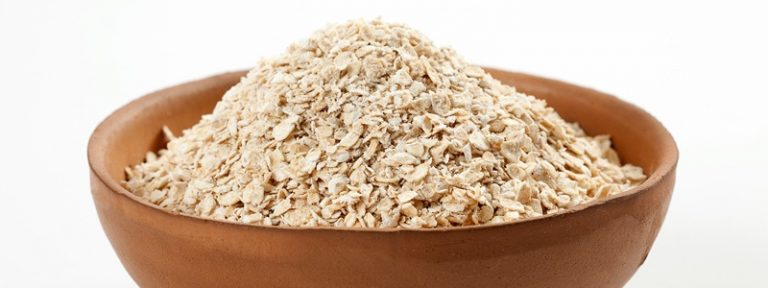
It is one of the most nutritionally complete options. It is rich in carbohydrates, vitamins from group B, vitamin E and D, as well as minerals (potassium, iron, calcium, phosphorus, magnesium, copper and zinc) and carotenes.
Almond milk
It is a vegetable drink that is made from almonds, nuts that provide very important heart-healthy benefits. It is rich in minerals, in addition to helping to lower cholesterol and prevent osteoporosis.
Sunflower milk
It is a vegetable drink rich in vegetable fats, minerals such as magnesium and phosphorus, and also promotes good brain function.
Pumpkin seed milk
Pumpkin seeds provide fatty acids linoleic and linolenic acids, minerals (such as zinc, magnesium, iron and phosphorus) and vitamins. Helps maintain a good cardiovascular system.
Rice milk
It is a really energy drink due to its high carbohydrate content. In addition, it helps improve intestinal transit.
Sesame milk
Sesame seeds are especially rich in minerals (such as zinc, iron, copper, calcium, magnesium, phosphorus and chromium), and also provide proteins and unsaturated fats such as omega 6 and omega 9 fatty acids.
Nutritional information of vegetable milks
Depending on the type of plant milk that is going to be consumed, they will provide different nutritional values. To give just a simple example, in the case of soy milk we are faced with a vegetable drink especially rich in proteins. While oat milk stands out for its high carbohydrate content. These vegetable drinks also stand out for their high content of essential nutrients. For example, vitamins and minerals that are essential for the proper functioning of our body. Therefore, there is no doubt that we are faced with excellent alternatives to cow’s milk, ideal for a healthy and balanced diet.