What is emotional eating?
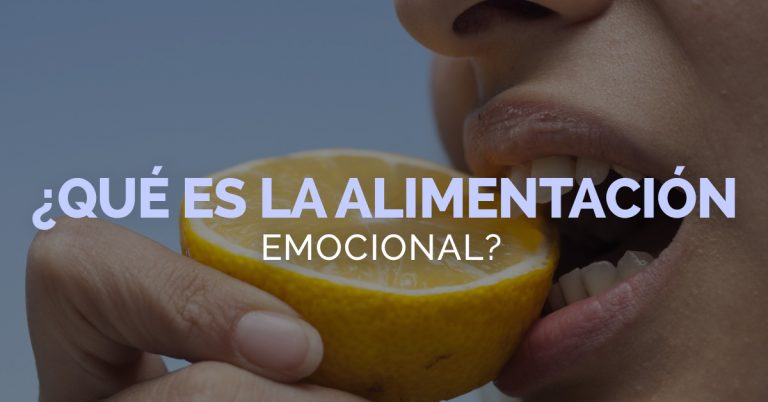
If you eat every time you feel an emotion, then you could be a victim of emotional eating, which is causing you to gain weight.
Stress eating is consuming food in response to your feelings, especially when you are not hungry. Stress eating is sometimes also called emotional eating. Emotional eating means that your emotions – not your body – dictate when and how much you eat. Sometimes the strongest food cravings hit when you are at your weakest emotionally. You can turn to food for comfort – consciously or unconsciously – when you’re facing a difficult problem, when you’re feeling stressed, or even when you’re feeling bored.** * Emotional eating cannot be filled with food. Eating may feel good in the moment, but the feelings that triggered eating food are still present. And you often feel worse than you did before because of the unnecessary calories you just consumed.
**The difference between emotional eating and physical hunger
Emotional eating can be powerful, so it’s easy to confuse it with physical hunger. But there are clues you can look for to help you distinguish between physical and emotional hunger. * Emotional hunger appears suddenly. It hits you in an instant and feels overwhelming and urgent. Physical hunger, on the other hand, comes on more gradually. The need to eat doesn’t feel as bad or demand instant satisfaction (unless you haven’t eaten for a long time). Emotional eating craves specific comfort foods. When you’re physically hungry, almost anything sounds good, including healthy things like vegetables. But emotional eating craves junk food or sugary snacks to give you an instant boost. You feel like you need cheesecake or pizza, but none of these do anything to stop your hunger.** Emotional eating often leads to mindless eating. Before you know it, you’ve eaten an entire bag of chips or an entire can of snow. When you’re eating in response to physical hunger, you’re typically more aware of what you’re doing.** Emotional eating is not satisfying once you are full. You keep wanting more and more, often eating until you feel uncomfortable. Physical hunger, on the other hand, makes you feel satisfied when your stomach is full.** Emotional eating is not found in the stomach. Instead of a growling belly or a twinge in your stomach, you feel your hunger like a craving that can’t get out of your head. ** Emotional eating often leads to regret, guilt, or shame. When you eat to satisfy physical hunger, you are unlikely to feel guilty or ashamed because you are simply giving your body what it needs. If you feel guilty after eating, it’s probably because deep down you know you’re not eating for nutritional reasons.**
3 ways to stop emotional eating
There are different ways to control emotional eating and turn your stress into a more positive experience. But all three methods require you to examine and change your habits. Therefore, you need to be committed if you want to stop stress eating for good.Find the source of stress Many people have stress triggers that make them eat. Maybe there are relationship problems that cause pain. Or perhaps family or work stress has gotten out of control. If you can identify your triggers, then you can take active steps to deal with stress before it gets out of control.** So how do you find detonators? Keeping a weight loss diary helps. Carry it with you in your briefcase and write in it throughout the day. Write down what you eat and how you felt when you ate it. Also, take notes about the people around you when you are eating. These can provide clues to triggers.Find new ways to relieve stress** Once you know what makes you overeat, establish healthy systems to avoid overeating in those situations.** For example, if your work environment is stressful. Tell a friend to walk with you during mealtime to promote healthy activity. Are you stressed at home? Set up a small meditation space or quiet corner where you can relax or breathe deeply. If school is a source of stress, find community groups that share your interest or sign up for a sports activity.** * Get help for emotional stress If your own methods don’t stop stress eating, don’t be afraid to ask for help. Many social workers and psychologists are specifically trained to deal with people suffering from their emotions and find solutions to stop this habit.** A trained professional can help you set boundaries with people who cause you stress or change your environment for the better. He or she may also be able to address the problems that make you overeat or run to the refrigerator when you have a craving.
How to practice conscious eating?
Eating while you’re doing other things, like watching TV, driving, or playing on your phone, can prevent you from fully enjoying your meal. Since your mind is elsewhere, you may not feel satisfied or continue eating even though you are no longer hungry. Eating more mindfully can help you focus your mind on your food and the pleasure of a meal and curb overeating.** Eat your meals in a quiet place without distractions, other than your companions. Before you start eating, take a moment to consider what it takes to produce the food, from the farmer, to the grocer, to the cook. Try eating with your non-dominant hand or use chopsticks instead of a knife and fork. Eating in such an unfamiliar way can slow down how quickly you eat and ensure that your mind stays focused on the food. Allow yourself enough time so you don’t have to rush your meal. Set a timer for 20 minutes and eat at your own pace to spend at least that much time eating. Take small bites and chew them well, taking time to notice the different flavors and textures of each bite. Put your utensils on the table between bites. Take time to consider how you feel – hungry, satiated – before you go back to pick up your utensils. Try to stop eating before you are full. It takes time for the signal to reach your brain and tell you that you’ve had enough. When you’ve finished your meal, take a few minutes to assess whether you’re really still hungry before opting for an extra serving or dessert. If you want more information on nutrition and health topics, or need advice to find the healthiest eating plan to help you lose weight, **click here.