
Where is your body fat stored?
It's not the amount, but where the fat is stored that can increase the risk of heart attack, stroke and diabetes.
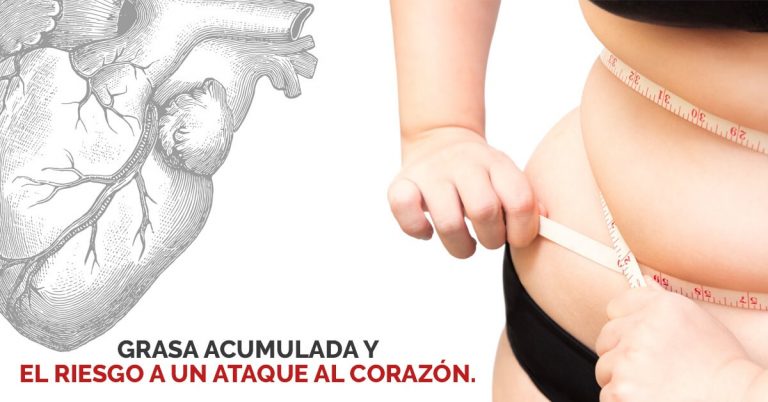
Have you noticed where your body fat is stored? According to a new study presented at the annual meeting of the Radiological Society of North America (RSNA), it is not the amount, but where the fat is stored that may increase the risk of heart attack, stroke and diabetes. The study analyzed the differences in fat distribution patterns between men and women. Fat distribution is a very important point in cardiometabolic risk. Many of us have heard the phrases “apple shape” and “pear shape.” These are common descriptions of the shape the body may have, in relation to where fat tends to be stored in the body. In those who are “apple shaped,” the fat is largely distributed around the stomach. While in the “pear shape”, the fat is located lower around the hips and thighs. People of the same weight or body mass index (BMI) can have very different risk profiles based on genetics, lifestyle and diet. Additionally, body composition differs between men and women. Women have proportionally more fat and men have more mass. For this study, Dr. Bredella recruited 200 overweight and obese people (average age 37) who were otherwise healthy. Of the 200, 109 were women and 91 were men. Women and men were of similar age and body mass index. After fasting overnight, study participants underwent dual-energy X-ray absorptiometry (DXA) and CT scans to determine their body composition. As well as magnetic resonance spectroscopy (MRS) for the quantification and analysis of fats. The results showed that women had a higher percentage of fat. And more subcutaneous fat (under the skin) but less lean mass**. Compared to men. However, men had more visceral adipose tissue (VAT). Or ectopic fat deposits located in the abdomen around internal organs (commonly known as a “beer belly”). And more ectopic fat in the muscles and liver. Compared to women, men have a higher cardiometabolic risk statistic overall. But ectopic fat was not significantly associated with cardiometabolic risk in men. Ectopic fat in women, however, was strongly associated with measures of cardiometabolic risk. This gives us a little clearer idea of how to care for our patients and not lump them all “in the same bag.” The care and treatments have to be different and specific to each case. Taking into account the fat deposits that each body has.