Why is it bad to eat meat?
That if eating meat is bad, if not eating it it is terrible, lack of proteins, too many hormones... We tell you the reality.
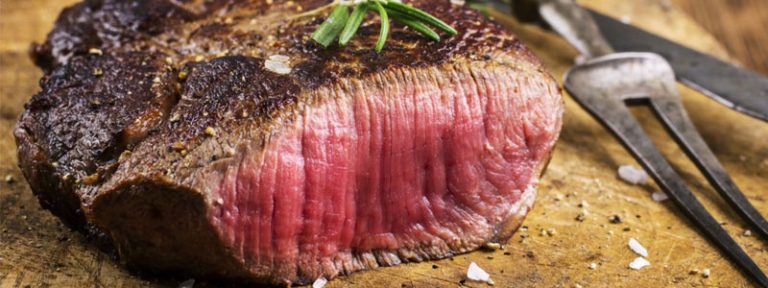
There is a lot of information floating around on the internet, and when it comes to diets, everyone seems to have an opinion. That if eating meat is bad, if not eating it it is terrible, lack of proteins, too many hormones… Well, there is an overload of information that can confuse us a lot. Studies There are studies that say that high consumption of red meat is associated, among other things, with greater cardiovascular risk. Especially if it is red meat with high fat content. Therefore, the recommendation is to reduce the intake of red meat if we want to take care of our heart health. Excess red meat in the diet has also been linked to a higher incidence of cerebrovascular accidents (CVA), all diseases that are associated with blood circulation in the body and its vascular functioning. In other words, high consumption of red meat is linked to health risks, therefore it is normal that we hear a strong restriction in diets. But it is not that “red meat is bad” in general, nothing in excess is good. Red meats are rich in quality proteins and, above all, they are an excellent source of iron that helps prevent or control anemia. In addition to being rich in potassium, phosphorus and zinc and offering B complex vitamins such as folic acid, B12, B1, B2 and B5, in small quantities it provides vitamin D and E to the diet. Now, it is important to differentiate; There are red meats to red meats. A basic aspect is that processed meats, which have a much higher concentration of sodium and additives, are not the same as fresh red meats. Processed meats have been associated with other pathologies and are more risky for people. heart health than fresh red meat, due to its higher concentration of sodium, its nitrite content, and its greater contribution of mainly saturated fats. A consumption of two servings of lean red meat per week is ideal so that you can combine different types of white meat, vegetables and legumes.