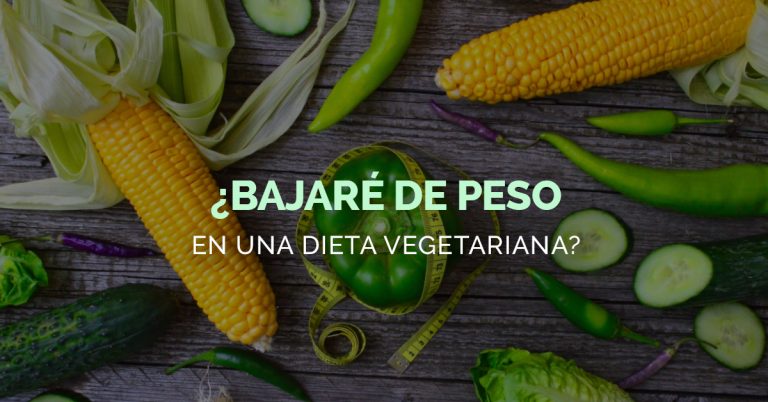
Why won't you lose weight on a vegetarian diet?
People associate a vegetarian diet with being healthy and science supports that idea, but will you really lose weight on a diet like that?
These common mistakes could prevent you from losing weight after eating vegetables. Most people tend to associate a vegetarian diet with being healthy. And science backs that idea. In a study of 40,000 adults, researchers at the University of Oxford found that meat eaters had the highest BMI (Body Mass Index). * And vegans, the lowest; and vegetarians and semi-vegetarians landed somewhere in between. But throughout my years in private practice, I have worked with many clients who did not lose weight after starting a vegetarian diet. And some even gained weight. Here are a couple of common reasons why this happens.
Your portions are too big
Healthy foods - including vegetables, fruits, whole grains, nuts, seeds and avocado. They contain raw materials that stimulate the activity of your body’s cells or help maintain, heal or regenerate tissues. But we don’t need an unlimited supply of these nutrients. The amount your body needs is largely based on your age, gender, height, ideal body weight, and physical activity level. A young, tall, active man with a higher ideal weight, for example, requires larger portions than an older, small, sedentary woman. Often when I evaluate clients’ food diaries, I notice that they are not losing weight because their nutrient intake exceeds their needs. Normally, people on vegetarian diets consume 3 times more than they really need.
On a vegetarian diet you don’t eat enough protein
Eating an adequate amount of protein is key to maintaining muscle mass, which helps keep your metabolism revved. It is possible to meet your daily protein needs with a plant-based diet. You just have to be strategic. Most vegetarians need at least 60 grams of protein a day. But many don’t know if they are reaching that quota. To make sure you’re getting enough, try tracking your intake (even briefly) with an app like** My Fitness Pal.** Another strategy is to include more legumes (the generic term for beans, lentils and peas) in your meals, as they are one of the best sources of plant protein. One cup of cooked lentils contains 17 grams of protein, compared to about 8 grams in a cup of cooked quinoa or a quarter cup of almonds. * If you want more information on nutrition and health issues, or need advice to find the healthiest eating plan to help you lose weight, **click here. **